Incoming materials
Every active pharmaceutical ingredient and excipient is identified and assayed against specification before release to production. Supplier qualification is documented and re-reviewed.

Registration is the real barrier in this industry, not manufacturing. This page sets out what we hold, what we can issue, and what remains your responsibility in your own market.
Certificates are issued in the name of the manufacturing entity and are provided, with their current validity dates, on request before an order is placed.
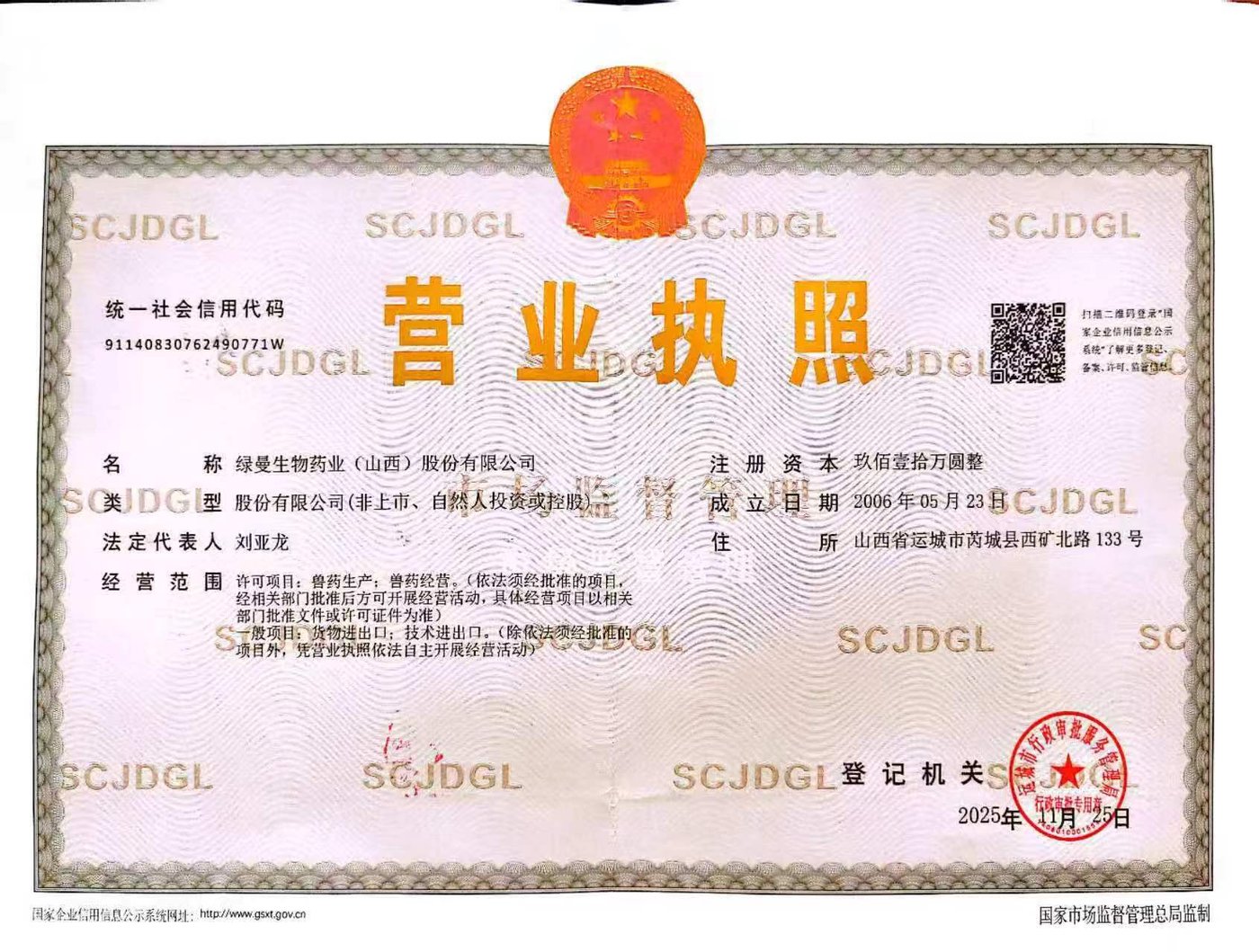
Certificates, downloadable. The three ISO certificates can be downloaded above. The details are transcribed from the originals. GMP certificate scans, and where a registration authority requires it, notarised copies, are provided to buyers on request.
| Document | What it does | When |
|---|---|---|
| Certificate of analysis | Batch-specific test results against the approved specification | With every shipment |
| Material safety data sheet | Hazard, handling and transport classification | With every shipment |
| GMP certificate | Proof of manufacturing authorisation, required by most importing authorities | On request, with validity dates |
| Certificate of free sale | Confirms the product is legally sold in the country of origin | On request, per product and market |
| Technical dossier (CTD format) | Module 3 quality data: composition, manufacture, control, stability | On request, under NDA, per product |
| Stability data | Shelf life and storage conditions, including zone IVb where relevant | With the dossier |
| Manufacturing licence & business licence | Legal entity verification, notarised where required | On request |
| Sample batch records | Audit evidence for a buyer or inspector visiting the plant | During an audit |
Registration rules differ enough that a single answer would be misleading. This is the pattern we work with — your case is confirmed in writing.
| Market type | Typical route | What we supply |
|---|---|---|
| Registration-light markets Parts of Africa, Southeast Asia, Central Asia |
Importer-held registration or import permit, often dossier-based | Dossier, CFS, GMP certificate, samples, label review |
| Registration-heavy markets Middle East, Latin America, parts of Asia |
Full national registration with local agent; 12–36 months typical | CTD module 3, stability package, method validation, authority questions |
| Fully regulated markets EU, UK, USA, Japan, Australia, Canada, NZ |
Marketing authorisation required before sale; we do not hold these | Contract manufacturing for a licence holder only, or supply where authorisation already exists |
On timelines, honestly. A dossier we can compile in two to three weeks does not mean your authority will approve in two to three weeks. Registration in a regulated market routinely takes one to three years. Plan market entry around that, and treat the first shipment as the start of a process rather than the end of one.
A distributor who has walked the plant sells the product differently. Audits are welcome before a first order, and video walkthroughs are available if travel is not practical yet.
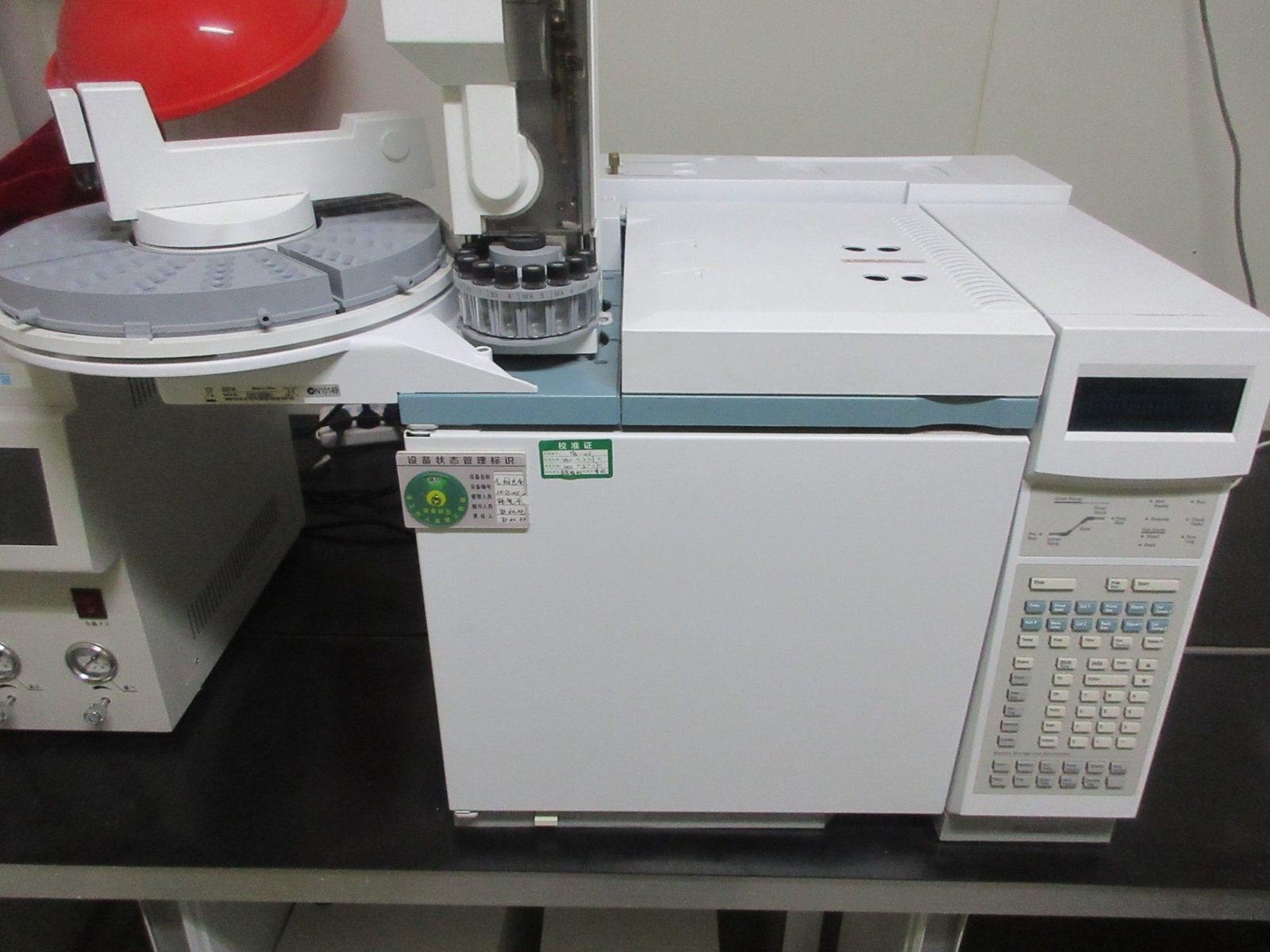
Every active pharmaceutical ingredient and excipient is identified and assayed against specification before release to production. Supplier qualification is documented and re-reviewed.
Blend uniformity, fill weight, pH, viscosity and sterility controls at defined stages, recorded in the batch record with the operator and the check.
Assay, identification, related substances, dissolution where applicable, microbial limits and uniformity, against the registered specification. Retention samples kept for the shelf life plus one year.
Tell us the product and the country. We will send the certificate set and the dossier summary first, so your registration team can assess it properly.